Search products by name
Differential pressure control of inflatable covers
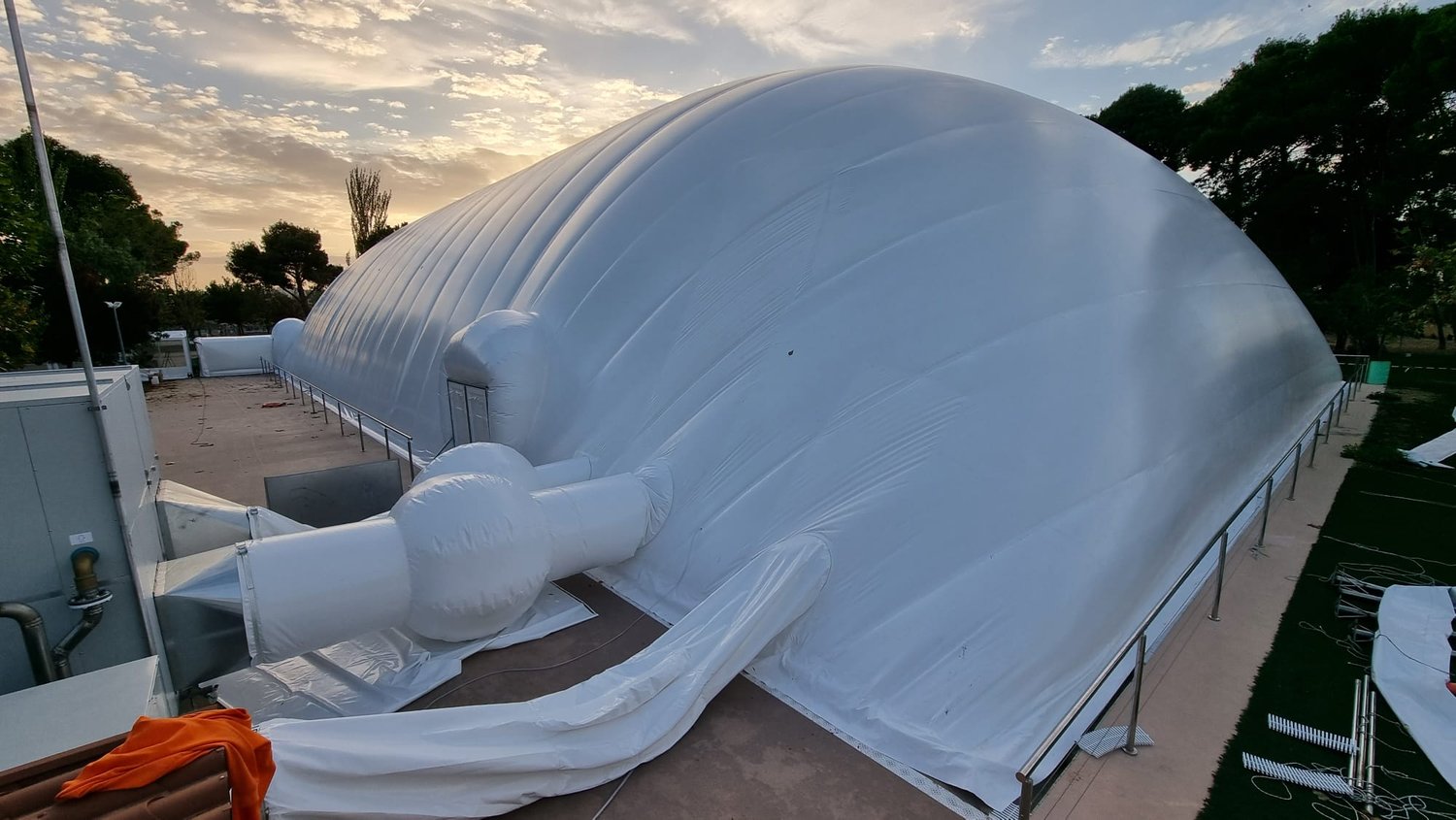
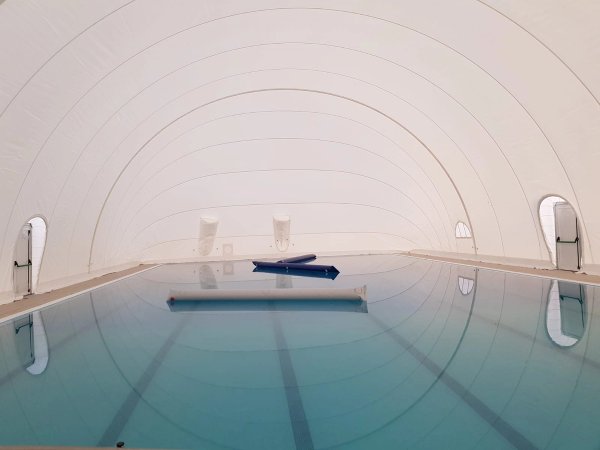
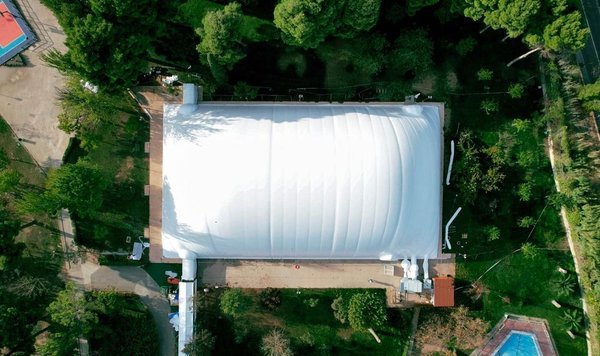
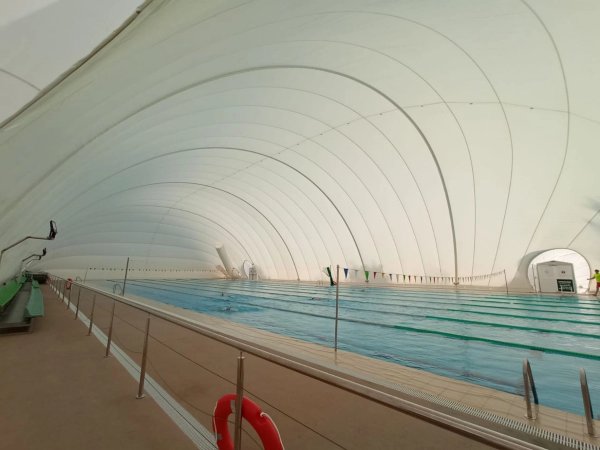
Inflatable cover by Tecnodimension
Faced with the need to cover an area at minimum cost while still keeping the option to enjoy the space outdoors, the solution of installing an inflatable structure emerges—perfect for open-air swimming pools, tennis courts or padel courts. This structure allows users to take advantage of good weather and continue using the space on rainy or windy days, ensuring comfort and versatility all year round.
How does it work?
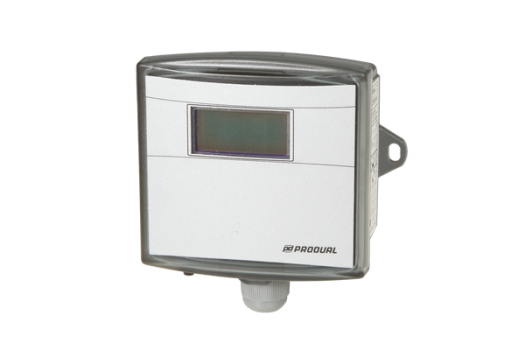
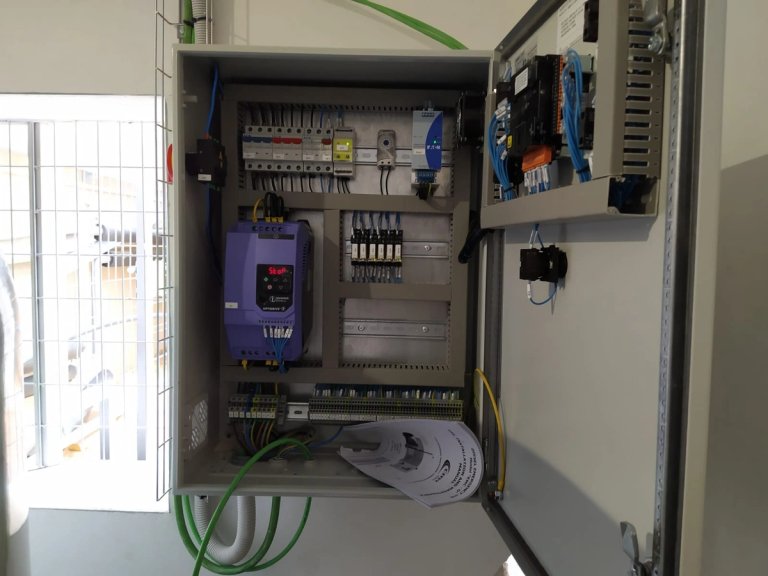
The cover's operation relies on air injection via a ventilation system with climate control and filtration, designed by Morgui Ventilació. The fan incorporated in this system is controlled by a frequency inverter, which adjusts its speed according to the reading from a differential pressure sensor (Produal PEL).
This way, the internal pressure is kept at the right level to ensure the stability of the structure. Additionally, we incorporate a wind vane to measure outdoor wind speed: if it increases, the system automatically raises the internal pressure to reinforce the cover and ensure safety.
Technical challenges and choosing the right sensors
In a project like this, sensors play a crucial role. We faced several challenges:
- Variable internal pressure: The pressure inside the cover constantly fluctuates due to people entering and exiting, as well as changing weather conditions. A system capable of continuously and accurately adapting is required.
- Hysteresis and system stability: To prevent repeated pressure changes that could lead to inefficient operation, it is essential to use frequency inverters and reliable sensors that help stabilise the fan’s response.
- Outdoor sensors: Some devices must be installed outside the structure. Therefore, sensors with IP54 protection are required—resistant to weather conditions and able to operate without degradation from rain, humidity or dust.
- Maximum reliability: Highly stable and durable sensors are essential. Produal sensors, with a 5-year warranty, provide the precision and reliability needed to avoid deviations that could cause the fan—and therefore the entire structure—to malfunction.
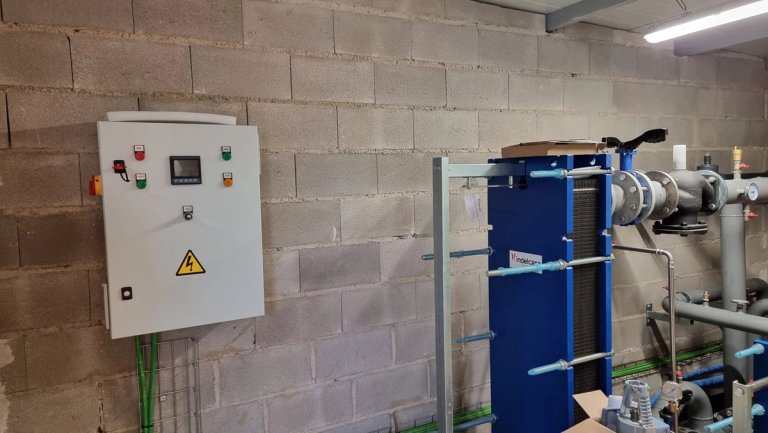
Thanks to this combination of technology and advanced control, we achieve a safe, efficient and adaptable structure, ready to deliver the best experience in both sports facilities and leisure areas.