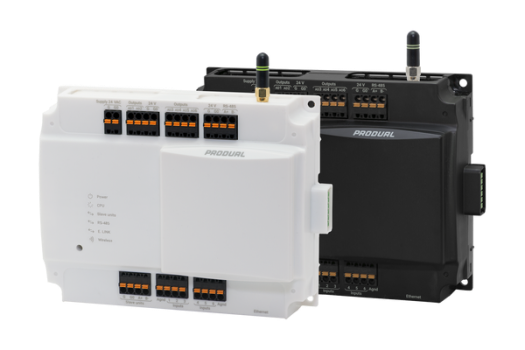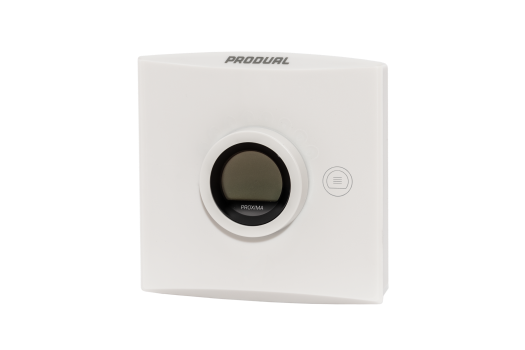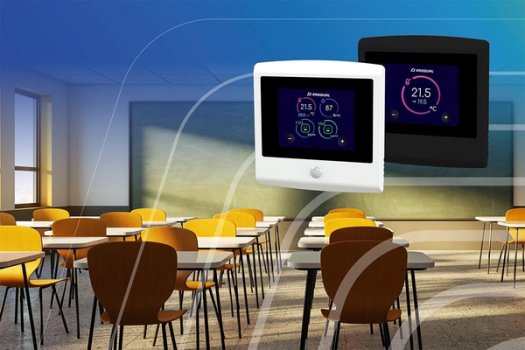
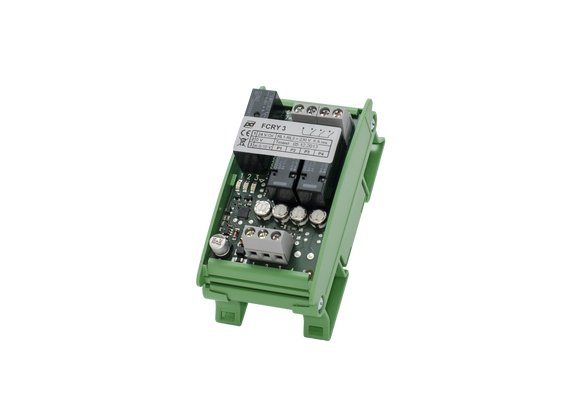
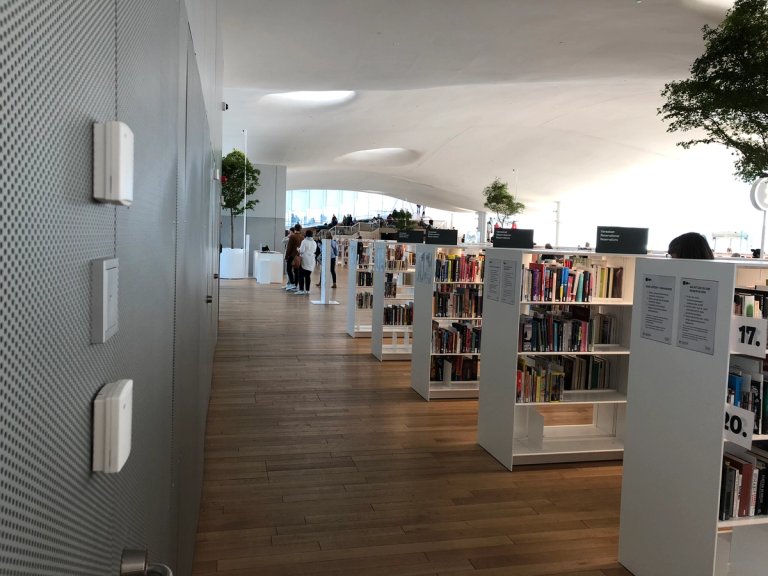
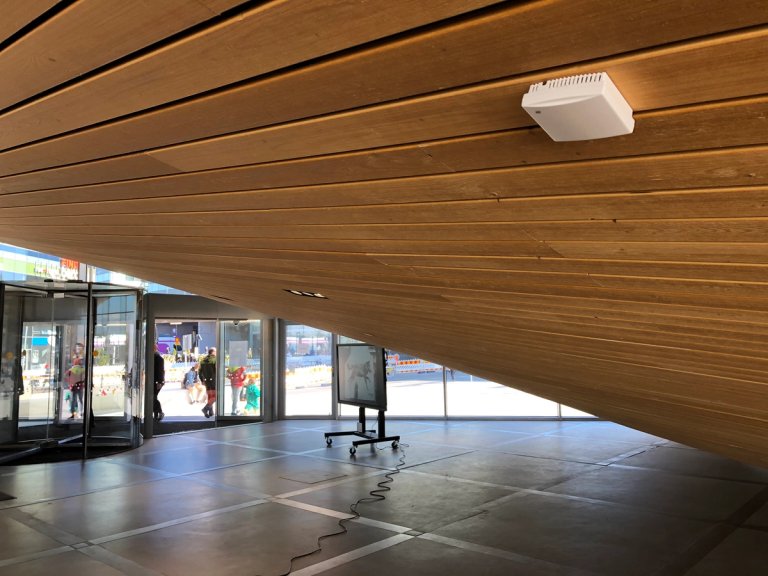
Produal Proxima® MESH 2.4 GHz technology represents a step forward in this field, offering reliable, secure and scalable communication for HVAC and BMS systems.
Search products by name
MESH network for building automation: the wireless solution from Produal Proxima®
#Technical articles
12/1/2025

The need to monitor real-time data within buildings is increasingly critical to ensure energy efficiency, comfort, and sustainability. In this context, wireless building automation networks have become a key solution for reducing costs and improving facility flexibility. Produal was one of the first building automation companies to bring wireless transmitters to market. In fact, the first wireless technology developed by Produal is still valid and functional.
What is a MESH network and why is it key in smart buildings?
A network must be able to function reliably even when physical elements of the environment, such as walls or other obstacles, change position or affect connectivity. To guarantee this operational continuity, transmitters must have the ability to automatically restart in case of a connection interruption.
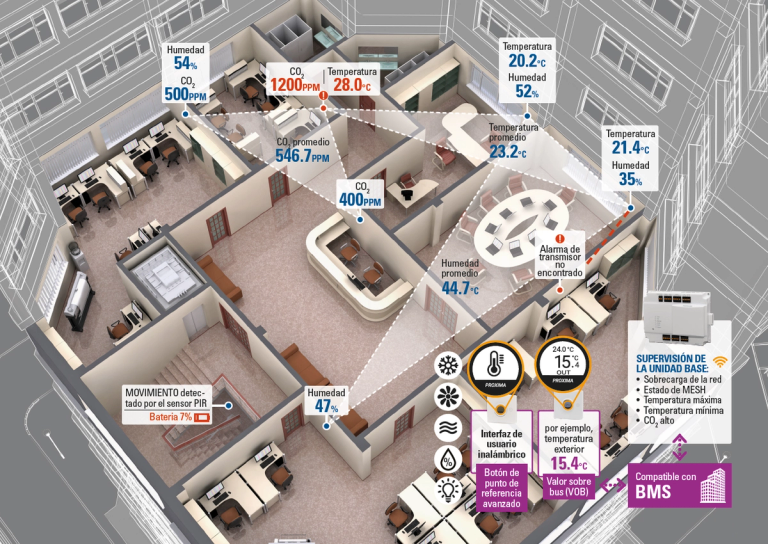
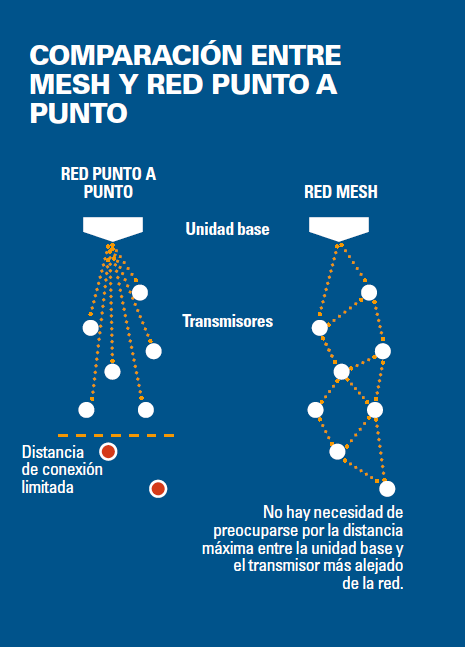
The most effective solution for these types of scenarios is a mesh architecture, in which each transmitter acts as a node capable of communicating with and supporting other devices on the network. This approach significantly improves the robustness and resilience of the system, as it allows for the creation of multiple communication paths between devices. In practice, the mesh network functions as a dynamic and invisible structure in which data is transmitted from device to device.
Although this type of topology already exists in the field of Building Management Systems (BMS), the key innovation of this wireless system lies in the fact that it is a fully battery-powered mesh network, with a long lifespan and no need for external power supplies to keep the nodes operational. This allows for the deployment of a more flexible, efficient, and easier-to-implement wireless infrastructure than conventional solutions.
In summary: a mesh network is a communication system in which each device acts as both a node and a repeater. This allows information to always find the most efficient path within the network.
In the case of Proxima®:
- The network is self-organizing and self-healing
- It automatically selects the best available frequencies
- It minimizes interference with other wireless systems
- It guarantees encrypted and secure communication
Wireless installation and maximum energy efficiency
One of the main advantages of the MESH network is its fully wireless installation, which eliminates the need for cabling and significantly simplifies system implementation. This translates into reduced installation costs, less disruption to the building, and much faster commissioning.
Furthermore, thanks to the My Produal® app, network configuration and management can be performed remotely, including firmware updates without requiring on-site visits, thus optimizing both time and maintenance resources.
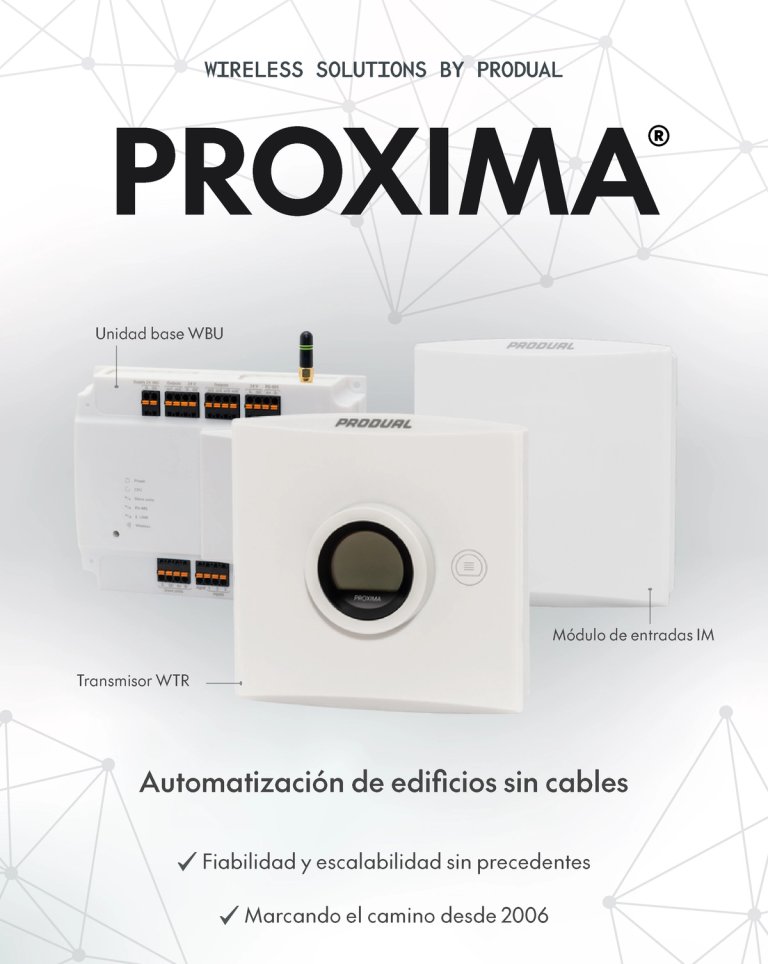
In parallel, the Proxima® range of wireless HVAC transmitters stands out for its high energy efficiency. They operate on long-life batteries—up to 8 years—making them a particularly suitable solution for installations where cabling is complex or impractical. They also offer the option of 24V power supply, providing flexibility according to project requirements.
All of this is supported by low-power technology that guarantees reliable performance without compromising autonomy, thereby reinforcing the overall efficiency of the system.
Scalability, coverage, and integration with BMS systems
The Proxima® MESH architecture not only guarantees robustness but also high scalability. The network allows for the connection of up to 100 devices, maintaining stable communication thanks to its distributed structure.
Each transmitter acts as a repeater, enabling:
- Extended coverage without additional infrastructure
- Elimination of the need for external repeaters
- Improved overall network robustness
This makes it a suitable solution for both small installations and large buildings with multiple control points.
In terms of integration, MiraMesh technology allows for the creation of a wireless Modbus RTU network, maintaining the protocol standard and facilitating connection with building management systems (BMS).
Key advantages include:
- Conversion of wired devices to wireless
- Reduction in materials and installation time
- Fast, low-latency communication
Furthermore, the range includes multifunction transmitters capable of measuring various environmental parameters, providing greater versatility and added value to the installation.
Produal offers different solutions with other wireless technologies depending on the project's needs: - FLTA (868 MHz): for simpler applications - LoRaWAN: for long-range and IoT applications
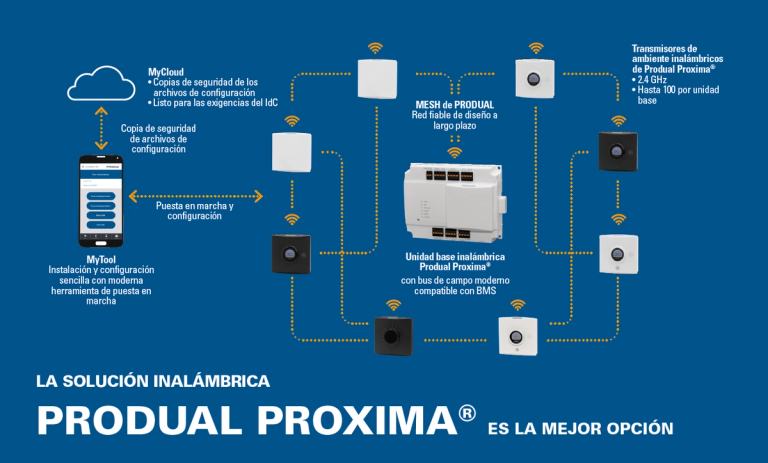
The Proxima® MESH network offers reliable and secure communication, cable-free installation, up to 8 years of autonomy, remote control and integration with BMS and Modbus, with high scalability and coverage.